 By admin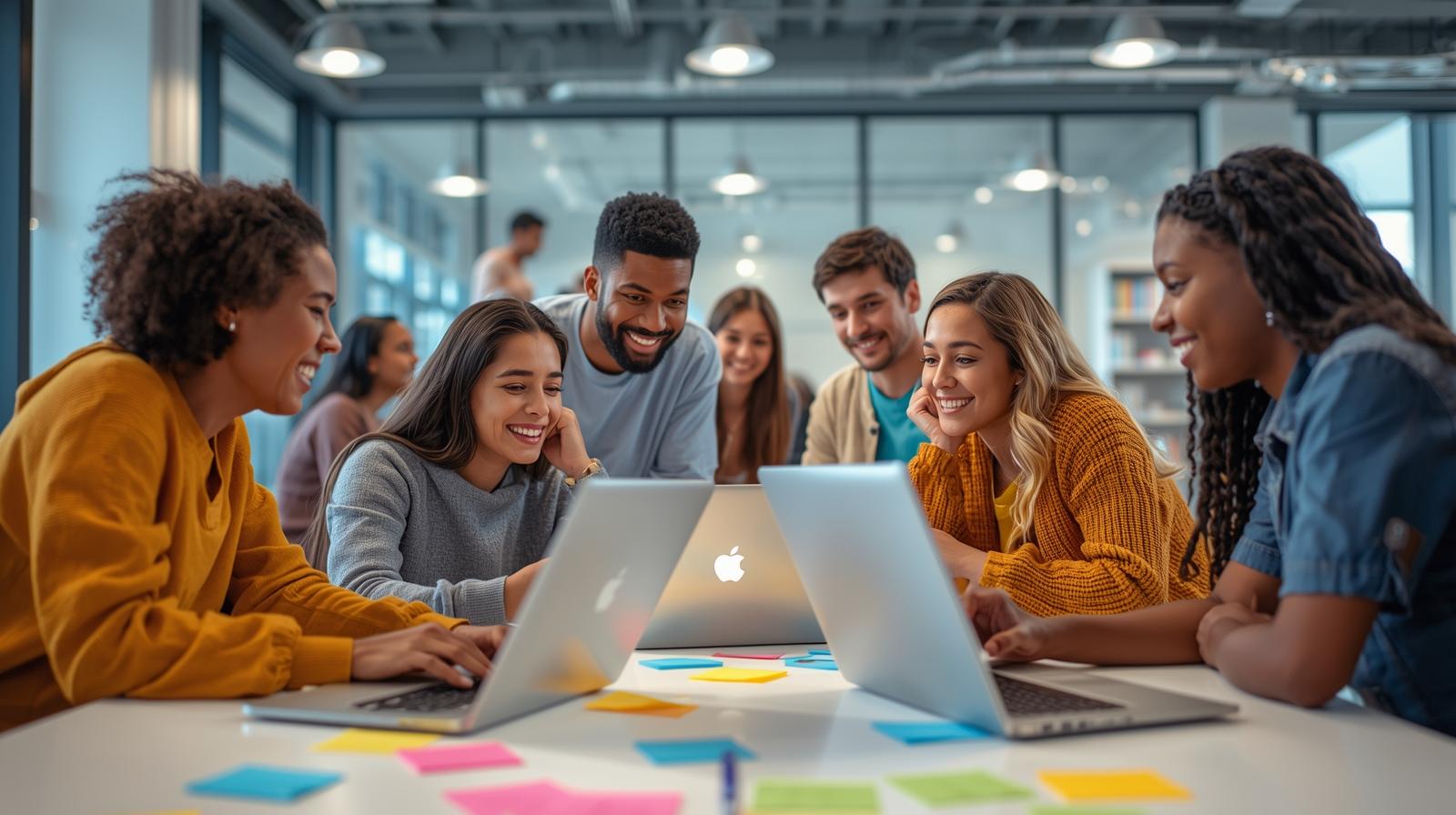
In today’s increasingly interconnected world, communication and collaboration are essential skills that every student must develop to succeed academically, professionally, and socially. With technology bridging geographical gaps and workplaces becoming more team-oriented, students need more than just academic knowledge—they need the ability to express ideas clearly, listen actively, and work effectively with others.
The Importance of Communication Skills
Communication skills go beyond speaking and writing clearly. They include listening, interpreting, and responding appropriately in diverse situations. Students who master these skills can convey their ideas effectively, engage in meaningful discussions, and build stronger relationships with peers and educators. Schools can enhance communication skills through debate clubs, presentations, group discussions, and interactive classroom activities.
- Encourage active listening during class discussions.
- Use presentations and storytelling to develop clarity in expression.
- Promote constructive feedback and respectful communication among students.
Collaboration as a Key to Success
Collaboration skills are equally critical. In both educational and professional environments, most tasks require teamwork. Learning to collaborate teaches students how to divide responsibilities, manage conflicts, and achieve shared goals. Project-based learning, group assignments, and cooperative problem-solving exercises allow students to experience the dynamics of teamwork in a controlled, supportive environment.
- Assign group projects to simulate real-world teamwork.
- Teach students conflict resolution and negotiation skills.
- Encourage peer mentoring to foster cooperative learning.
The Role of Technology in Enhancing Skills
Digital tools and platforms have made it easier than ever for students to practice communication and collaboration, even across distances. Video conferencing, collaborative documents, and online discussion boards allow students to work together on projects, exchange ideas, and provide feedback in real time. Incorporating these tools into classroom activities prepares students for globalized work environments.
- Use online collaboration tools like Google Workspace or Microsoft Teams.
- Encourage virtual discussions and debates to enhance digital communication.
- Integrate collaborative learning apps that simulate team problem-solving.
Social and Emotional Benefits
Developing communication and collaboration skills also contributes to students’ social and emotional growth. Working in teams fosters empathy, patience, and adaptability. Students learn to appreciate diverse perspectives and value the contributions of others, which enhances social awareness and emotional intelligence. These skills are critical for navigating both academic challenges and real-world situations.
Preparing Students for the Future
In the modern workforce, employers seek candidates who can collaborate effectively and communicate clearly, whether in person or virtually. By integrating communication and collaboration training into the curriculum, schools ensure students are equipped with the tools they need to thrive in team-oriented environments. These skills also promote lifelong learning, as students become capable of exchanging knowledge, building networks, and adapting to new challenges.
For further insights on fostering these essential skills, educators and students can explore resources that provide practical strategies for collaborative learning and communication development.
Conclusion
Building communication and collaboration skills in students is no longer optional—it is a necessity in a connected world. Through deliberate practice, technology integration, and supportive learning environments, schools can prepare students to become confident communicators and effective team players. These skills not only enhance academic performance but also equip learners for professional success and meaningful participation in a globally connected society.